Is your child's nearsightedness getting worse each year? Acworth Family Eyecare offers clinically backed myopia control treatments that help protect long-term eye health. Stronger glasses every year is not a plan. It is a warning sign.

Myopia Control for Children in Acworth
Book An Appointment
Questions About Your Booking?
Common Myopia FAQs
Ideally, as early as signs appear, often between the ages of 6 and 12. The earlier we begin, the more we can slow eye growth and reduce future risk.
Most families notice prescription stability within the first year. We monitor progress at regular intervals and adjust the plan as your child grows.
These are considered specialty services, so they’re not typically covered by vision or medical insurance. However, most families use FSA or HSA funds to help with costs.
What Is Myopia? (Nearsightedness)
Myopia, also known as nearsightedness, is a condition where the eye is too long, causing distant objects to appear blurry. It typically begins in childhood and tends to worsen each year, especially between the ages of 6 and 17.
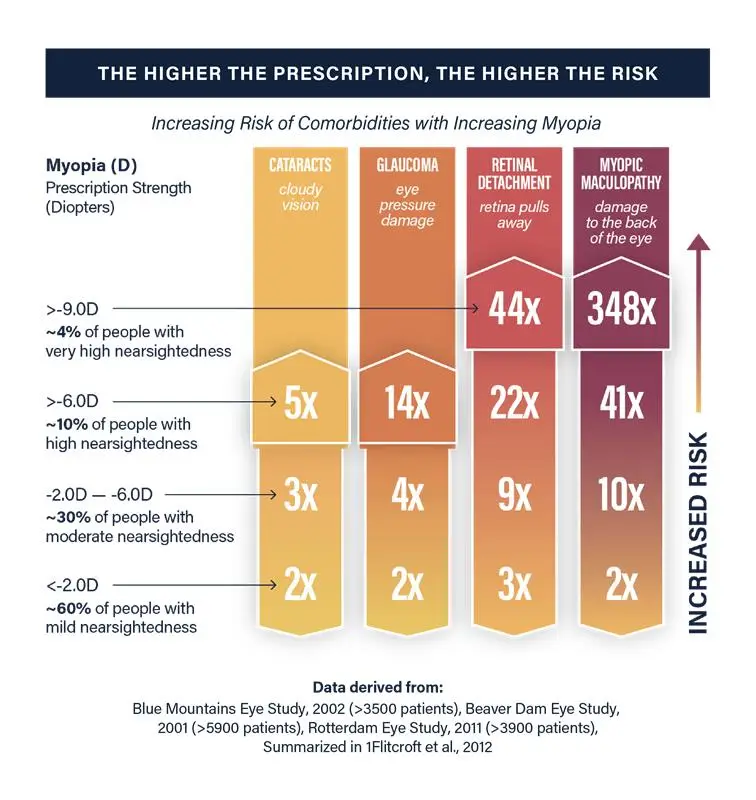
As myopia progresses, so does the risk of serious eye diseases later in life. High myopia is associated with a higher risk of retinal detachment, glaucoma, macular degeneration, and other long-term vision issues.
Personalized Myopia Solutions at Acworth Family Eyecare
Myopia Control Glasses - Essilor® Stellest® lenses
The Stellest® lenses, often our first choice in myopia treatment, are specifically designed to slow the progressions of myopia in children. Wearing Stellest® lenses for 10 consecutive hours daily reduces changes in nearsightedness by actually slowing the growth of the eyeball.
Stellest® lenses provide the child with detailed distance vision but reduce the strain of focusing by employing a process called "peripheral defocus."
ADDITIONAL LENS DETAILS:
- Non- Invasive, easy to wear
- Corrects myopia with single vision zone to ensure sharp vision
- Essilor® Stellest® lenses are the first and only FDA market authorized to slow myopia progression in children.
MiSight® Contact Lenses
These innovative soft contact lenses feature two specialized zones that provide clear 20/20 vision while defocusing peripheral light to help slow the eye’s growth— a key factor in the progression of myopia.
ADDITIONAL LENS DETAILS:
- Designed for daily wear; convenient, comfortable, and disposable
- The only contact lenses FDA-approved to slow myopia progression
- Can be prescribed for children as young as six years old
Atropine Drops
Low-concentration atropine drops have been shown to significantly slow the progression of near-sightedness by up to 50%. The drops cause minimal pupil dilation without affecting vision, which helps reduce focusing stress. Recent studies also indicate that these drops slow the elongation of the eye.
ADDITIONAL LENS DETAILS:
- Typically used during a child’s growing years
- Drops are applied to both eyes each night before bedtime
- May be used as a supplemental therapy alongside other treatments
Ortho-k Contact Lenses
Ortho-Keratology (Ortho-k) contact lenses are gas-permeable lenses that gently reshape the cornea while your child sleeps, helping reduce their need for distance glasses. When the lenses are removed in the morning, their myopia is temporarily corrected.
ADDITIONAL LENS DETAILS:
- Lenses must be worn every night to maintain effect and control myopia
- If treatment is discontinued, the myopia will gradually return to its original level
What to Expect at Your Myopia Visit
Here’s what you can expect during your visit to Acworth Family Eyecare:
Before Your Visit
-
Complete your child’s forms online.
-
Bring their current glasses or contact lenses, if applicable.
-
Prepare a brief health history, including any family history of nearsightedness.
-
Note any recent symptoms (squinting, blurry distance vision, headaches, etc.).
During Your Child’s Evaluation
-
You’ll meet with one of our pediatric eye doctors.
-
They will conduct a thorough vision and eye health evaluation. This includes measuring eye length and shape, as well as assessing visual behavior.
-
Our eye doctor will explain what they see and answer your questions.
After the Evaluation
-
You’ll receive a personalized treatment plan tailored to your child’s needs.
-
Our team will guide you through pricing, payment options, and the use of FSA/HSA benefits.
What Our Patients Say
80% of Learning Is Visual
- ~50% of the worlds population will be myopic by 2050 (that's ~4.8 billion people)
- 1 in 2 children worldwide will be nearsighted
- Early myopia treatment can help slow it down
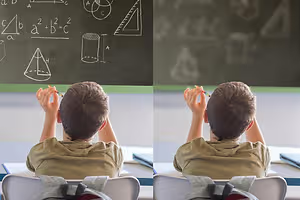
With the early and heavy use of digital screens, children are developing myopia at a much younger age—but EARLY TREATMENT can decrease the damage caused by myopia.
CLEAR VISION MATTERS. EYECARE MATTERS.
Warning Signs of Myopia in Children
- Squinting to see distant objects
- Sitting too close to the TV
- Holding books or screens very close to their face
- Frequent headaches or eye rubbing
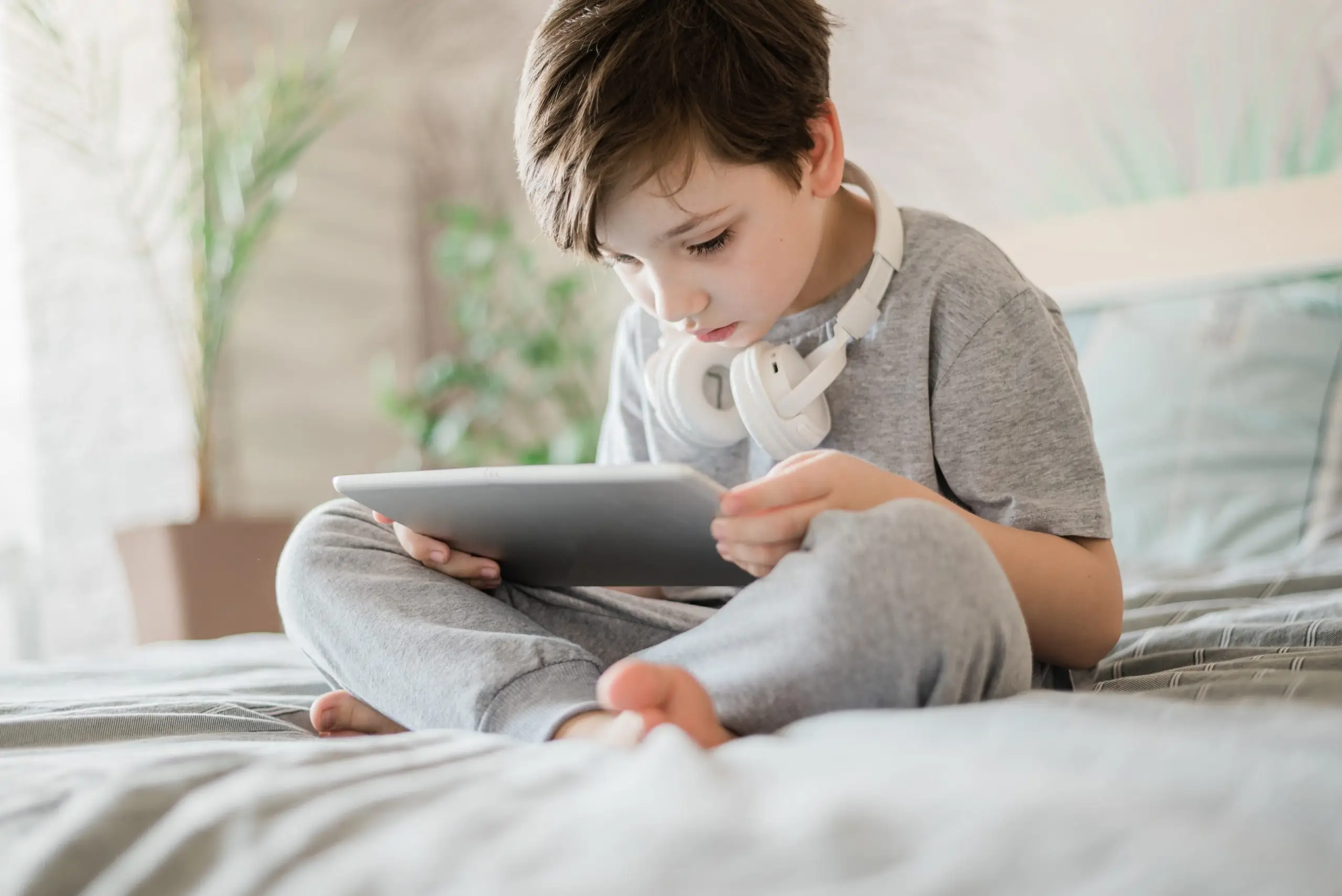
- Difficulty seeing the board at school
- Trouble seeing clearly (or well) during sport activities
Early detection and monitoring eye health through annual exams is critical to a clear and healthy future.
A brighter future starts with myopia management now!
Signs of Myopia in Children
Is your child:
- Squinting
- Holding objects close to their face
- Complaining about headaches

Other Ways to Keep Your Child's Eyes Healthy
Limit Screen Time
Limit screen time to 2 hours per day.
Outdoor Play
Encourage 60–80 min. of daily outdoor play.
20-20-20 Rule
Every 20 minutes, look 20 feet away for 20 seconds.
Treatment & Lifestyle
Eyeglasses, contact lenses, drops & lifestyle changes.
The Data on Myopia in Children
Did You Know?
Myopia (nearsightedness) is when distant objects appear blurry.
- ~50% of the worlds population will be myopic by 2050 (that's ~4.8 billion people)
- Myopia affects about:
- 5% of preschoolers
- 9% of school aged children
- 30% of teens
Studies indicate over 50% of "learning problems" in school may be actually related to undiagnosed vision issues. That means many children are not getting the vision care they need to do well in school.
- The World Health Organization (WHO) has declared myopia a public health concern, urging early intervention.
FREE SCREENING TOOL
Myopia Risk Assessment
Answer a few quick questions to help us understand your child's risk factors before your visit.