Skip to content
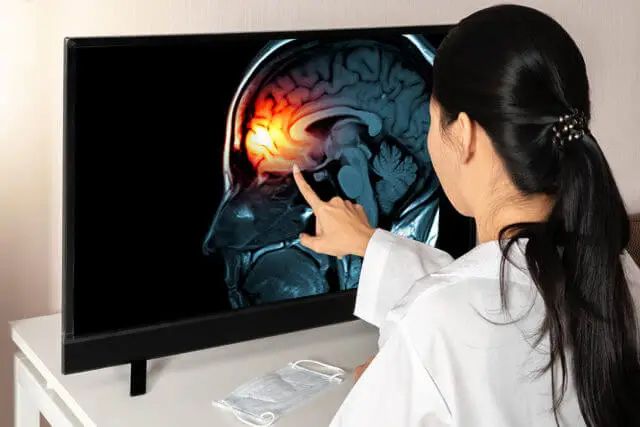
Doctor pointing to a brain scan on a monitor

Revitalize Your Vision with Neuro-Optometry in Acworth

Our tailored neuro-optometric rehabilitation program aids patients with visual deficits stemming from stroke, brain injury, or neurological conditions. Utilizing cutting-edge neuroplasticity and vision techniques, we restore vital visual skills for improved daily function and quality of life.

Symptoms like double vision, blurred vision, and light sensitivity can stem from undiagnosed conditions, trauma, or diseases. Do you suffer from persistent migraines or headaches? Our interdisciplinary neuro-optometric rehab addresses root causes, providing holistic solutions.

Book An Appointment
Questions About Your Booking?
Common Questions

When Neuro-Optometric Rehab Can Help

Vision problems after a brain injury or stroke are common and often overlooked. Neuro-optometric rehabilitation can help if you are experiencing symptoms such as:

Double or blurred vision
Trouble reading or focusing
Light sensitivity
Headaches or migraines
Dizziness or balance problems

Helping You Recover Your Vision

Our skilled Acworth Family Eyecare practitioners effectively address vision challenges stemming from brain injuries and neurological conditions. They have experience in diagnosing eye-teaming, focusing, and tracking issues. We empower you to live your best life by tailoring comprehensive neuro-optometric rehabilitation programs!

Request an appointment today.

Traumatic Brain Injury

Vision troubles often arise from TBI as vision processing involves vast brain areas. 90% of TBI cases lead to vision disruption due to communication breakdown between the eyes and brain.

Concussion and Mild Brain Injury

Despite its classification as "mild," a concussion is still a brain injury with the potential for persistent debilitating symptoms and disruptions to normal brain function.

Children and teens are the most impacted demographic, with over 60% encountering visual symptoms. Older individuals are also susceptible to concussions. We highly recommend an immediate eye examination if you or a loved one has suffered a concussion or whiplash due to a forceful head impact.

Stroke Recovery

A stroke, also known as a cerebrovascular accident (CVA), occurs when the blood supply to a brain area abruptly halts or a brain blood vessel ruptures, causing blood to spill around brain cells. Stroke-triggered ocular changes encompass sensory aspects (visual acuity and field), motor elements (extraocular muscle movement), and perceptual shifts. We highly recommend neuro-optometric rehab for individuals who have suffered a stroke.

Vestibular Disorders

The intricate vestibular system, comprising inner ear structures and brain pathways, maintains balance and spatial orientation. When harmed by disease or injury, vestibular disorders emerge, causing symptoms like dizziness, disorientation, blurred vision, anxiety, nausea, and more. Benign paroxysmal positional vertigo, labyrinthitis, vestibular neuritis, and Meniere's disease are frequent diagnoses.

Neuro-optometric rehabilitation therapy can enhance visual-brain communication, easing symptoms and fostering optimal recovery. Request an appointment for a functional visual evaluation to get on the path to improved quality of life.

Binocular Vision Dysfunction

Binocular Vision Dysfunction (BVD) manifests diverse symptoms in adults, affecting up to 70% with persistent headaches and 30% with anxiety. A functional vision exam is vital, as standard eye tests only assess visual acuity, not binocular teamwork. Essential visual skills are only assessed through an exam, uncovering subtle misalignments and neuro-visual processing issues. Request an appointment today for a tailored BVD solution.

What to Expect With Neuro-Optometric Rehab

Here is a quick look at what you can expect when you begin neuro-optometric rehabilitation at Acworth Family Eyecare.

Getting Started

  • We begin with a functional vision exam to understand your symptoms and visual skills.

  • We review the results with you and explain our recommendations.

During Rehabilitation

  • You work through a personalized program of exercises, sometimes with lenses, during in-office sessions.

  • We track your progress and adjust your plan as your visual skills improve.

What Our Patients Say

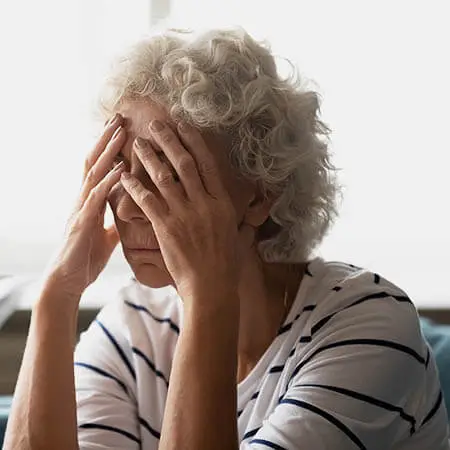
An older woman holding her head with both hands, looking distressed

Common Vestibular Disorders

Restore Your Vision with Neuro-Optometric Rehabilitation

Therapist talks with male patient wearing glasses and long-sleeve button-down shirt in therapy session